

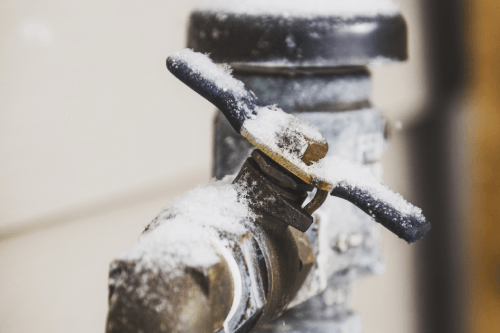
Kansas City just saw its first round of winter weather, and the recent snow is a clear reminder that freezing temperatures are here to stay. With another blast of cold air expected soon—and temperatures predicted to drop into the single digits—it’s crucial for homeowners to protect their plumbing before problems begin. You will need to know how to prevent freezing pipes in Kansas City. At Pierpoint Plumbing, we see a surge of emergency calls every time extreme cold moves in, and in nearly every case, the damage could have been prevented with a few simple steps.
Why Pipes Freeze During Harsh Kansas City Winters
When temperatures plummet, the water sitting inside your plumbing system begins to cool. Once that water reaches the freezing point, it expands, putting pressure on the pipes from the inside. Even strong pipes can crack under that strain. The combination of last week’s snow and the deep cold expected soon makes conditions ideal for frozen pipes, especially in:
- Unheated basements
- Crawl spaces
- Garages
- Attics
- Exterior walls
- Under-sink cabinets
Anywhere cold air can reach a pipe, freezing becomes a real threat.
Warning Signs Your Pipes Are Starting to Freeze
During stretches of severe cold, it’s important to pay attention to subtle changes in water flow or temperature. Common signs of freezing pipes include:
- Slow or no water coming from faucets
- Frost forming on exposed pipes
- Gurgling noises when faucets are turned on
- Unusual odors from drains
- Cabinets that feel unusually cold inside
Spotting these signs early can be the difference between a minor inconvenience and a costly plumbing disaster.
How to Prevent Frozen Pipes Before Temperatures Drop Again
With snow already on the ground and more bitter temperatures on the way, now is the time to winterize your plumbing. Here are the most effective steps you can take to keep your pipes safe:
1. Insulate Exposed Pipes
Insulation is one of the most important defenses against freezing. Foam sleeves, pipe wraps, or heat tape can help maintain stable temperatures in vulnerable areas. Focus on basements, crawl spaces, garages, and any place where pipes sit close to exterior walls.
2. Keep Your Home Warm
Even if you’re trying to conserve energy, it’s crucial not to let your home’s temperature fall too low. Maintain a steady indoor temperature throughout the day and night to reduce the risk of freezing.
3. Open Cabinet Doors
Pipes under bathroom and kitchen sinks are particularly vulnerable. Opening cabinets allows warm air to reach these enclosed areas, helping to prevent freezing.
4. Let Faucets Drip During Extreme Cold
Running water doesn’t freeze as easily as still water. A slow, steady drip during the coldest nights can relieve pressure inside pipes and prevent ice blockages that could lead to bursts.
5. Seal Drafts and Air Leaks
Cold air entering your home through gaps or cracks can freeze pipes quickly. Inspect areas around windows, doors, and holes where plumbing enters or exits your house. Sealing these gaps helps maintain warmer air around your plumbing.
6. Add Insulation to Vulnerable Zones
Areas like attics and crawl spaces often lack adequate insulation. Increasing insulation in these areas can make a significant difference during long stretches of bitterly cold weather.
7. Disconnect and Drain Outdoor Hoses
Outdoor spigots and hose lines are among the most common sources of winter plumbing issues. Disconnect hoses and ensure spigots are turned off and drained to prevent ice buildup.
What to Do If a Pipe Freezes
Even with preparation, pipes can still freeze during extreme conditions. If you suspect a frozen pipe:
- Turn off the main water supply to prevent pressure buildup.
- Open faucets in the affected area.
- Gently warm the frozen section with a hair dryer or heat lamp.
- Never use open flames or high-heat devices.
- Once thawed, check carefully for leaks.
If you can’t locate the frozen section or feel uncomfortable handling the situation, call a professional immediately.
Why Prevention Matters More Than Ever This Winter
With snow already falling and temperatures expected to plunge even further, Kansas City homeowners need to take extra precautions. Winter plumbing issues can escalate quickly, leading to water damage, expensive repairs, and disruptions to your daily routine. Preventative steps today mean peace of mind during every cold snap this season. If you follow these steps you can prevent frozen pipes in Kansas City.
Pierpoint Plumbing is here to help you protect your home. Whether you want a professional inspection, insulation assistance, or emergency service, our team is ready to respond quickly and effectively.
For expert help with frozen pipes or winter plumbing preparation, call Pierpoint Plumbing at 816-208-9437.

No responses yet